How much does Botox cost in Tampa?
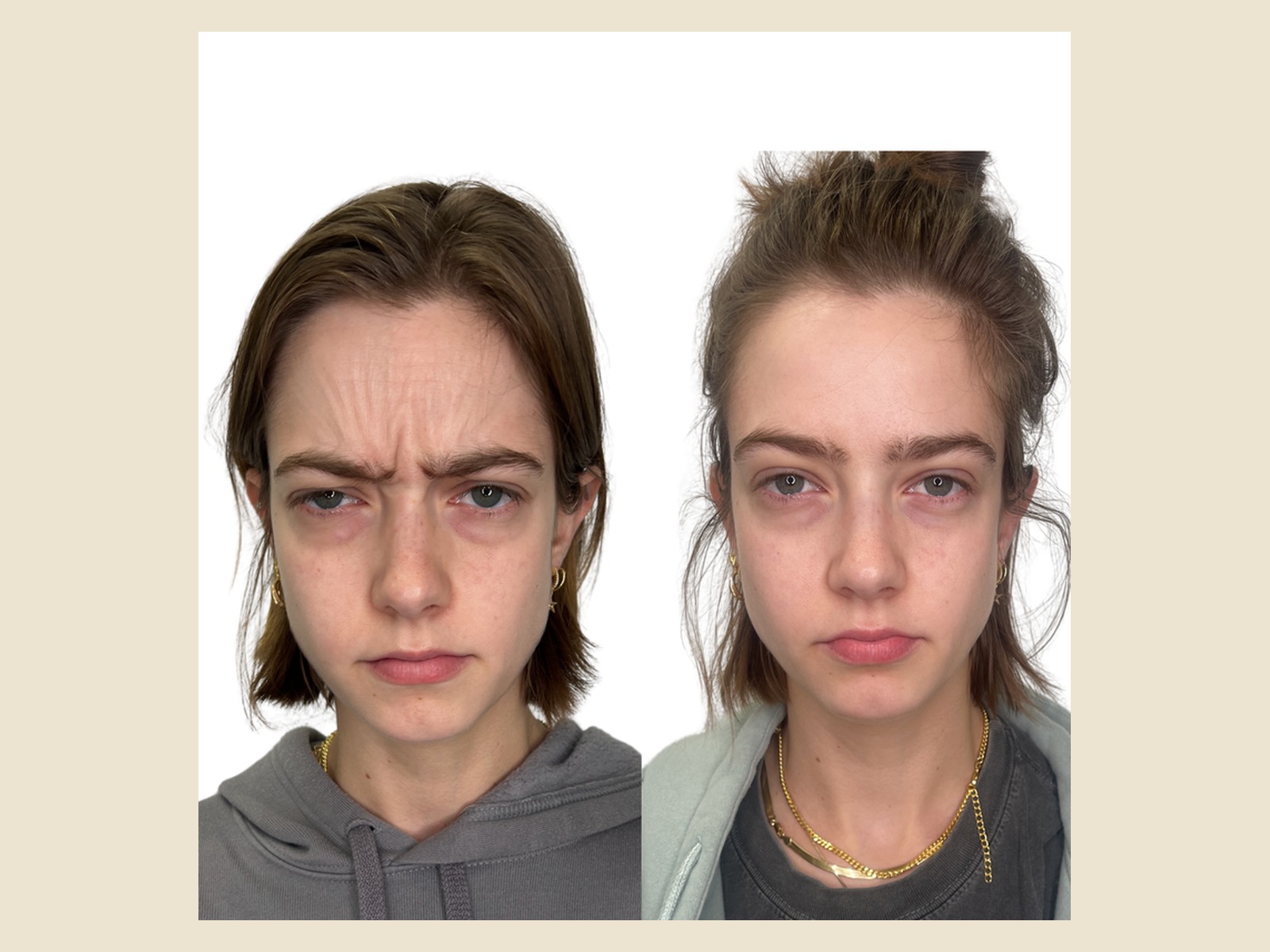
At Roots, neurotoxin pricing is discussed at consultation and varies by unit count and treatment area. We offer Dysport, Jeuveau, and Daxxify as alternatives to Botox that may last longer or provide a different result. Financing is available through Affirm and Cherry.
How long does Botox last?
Most neurotoxin results last 3–4 months. Daxxify, one of the options at Roots, has FDA approval for results that may last 6 months or longer in some patients.
What is Morpheus8 and what does it treat?
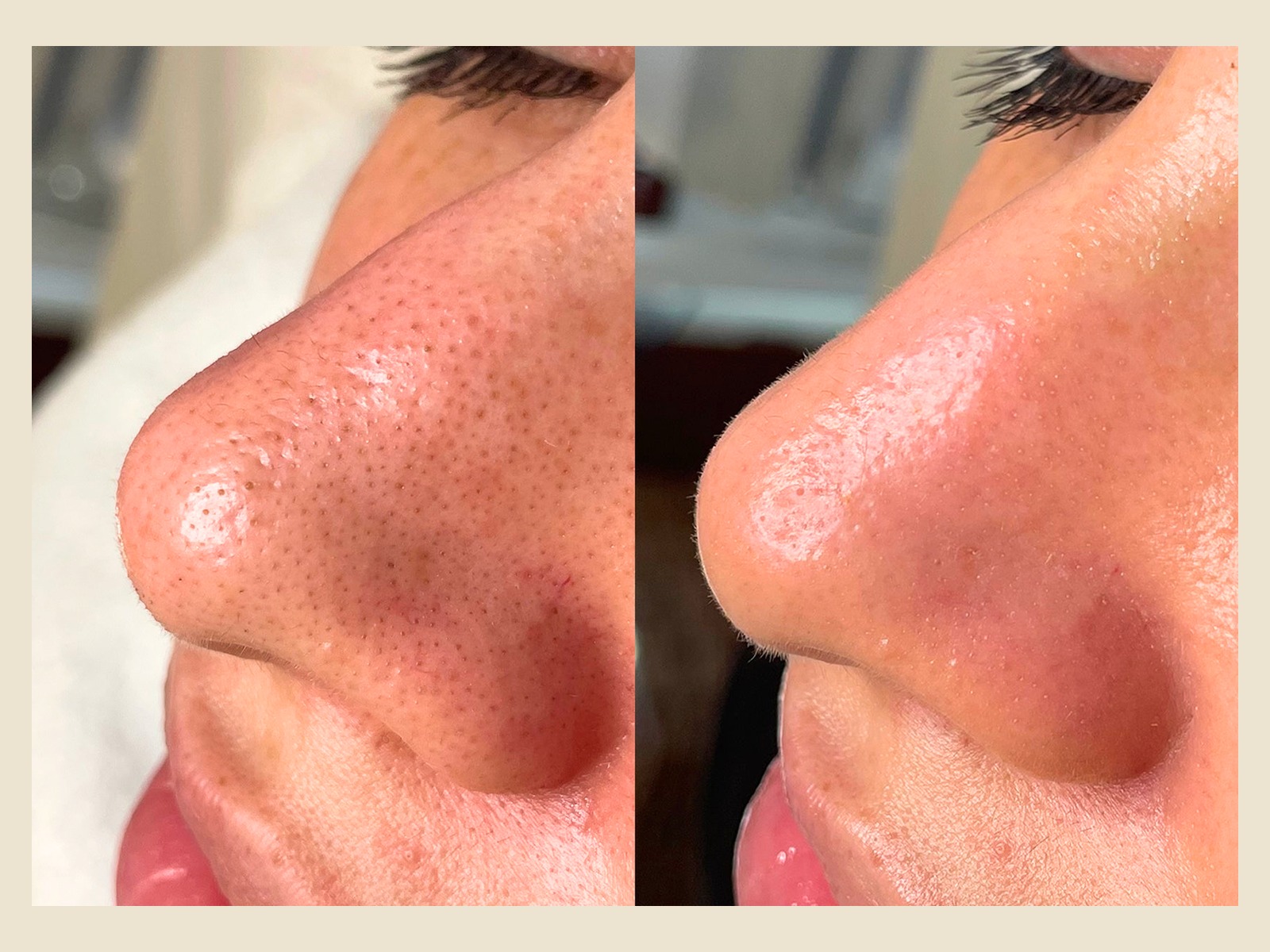
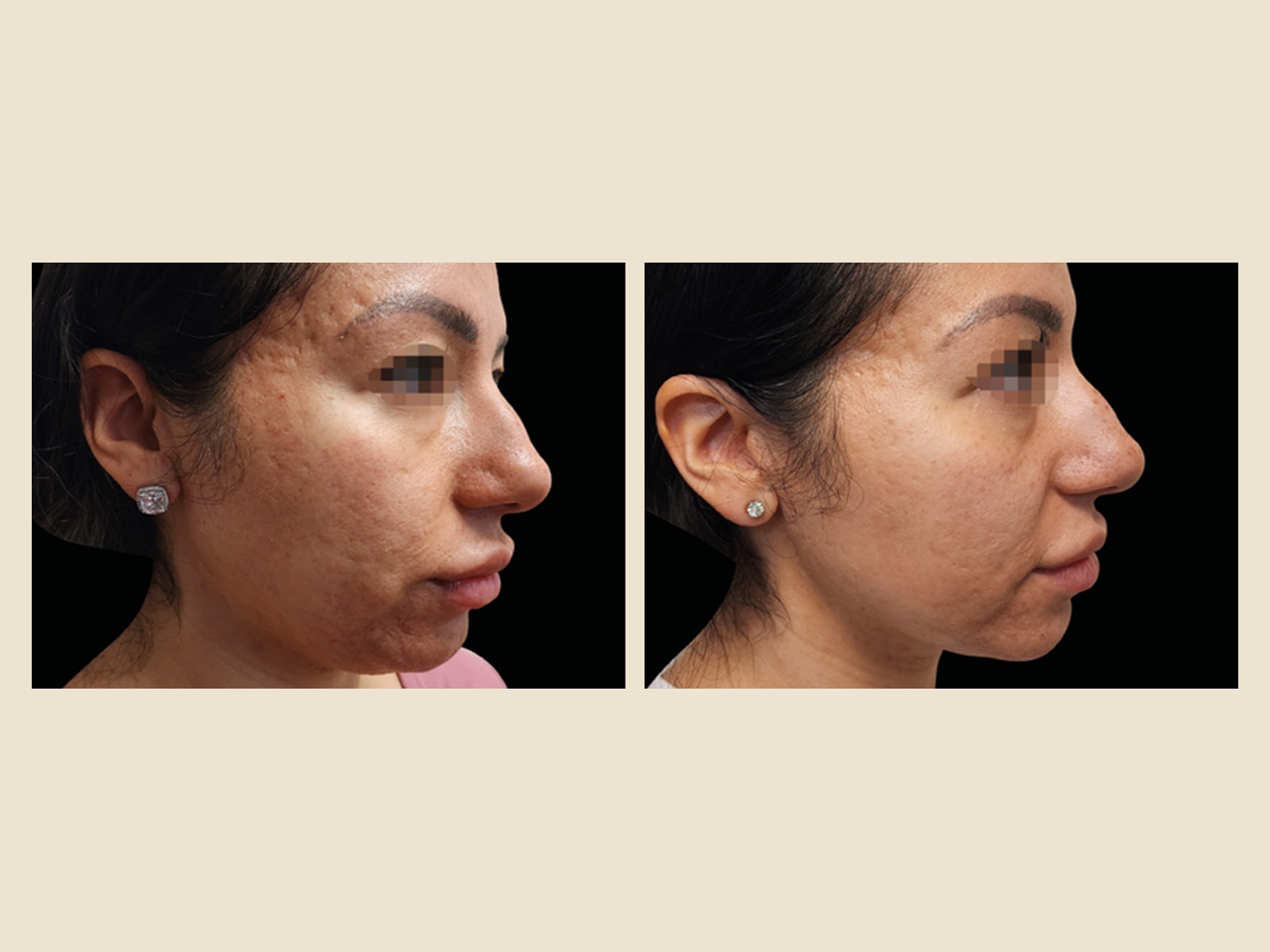
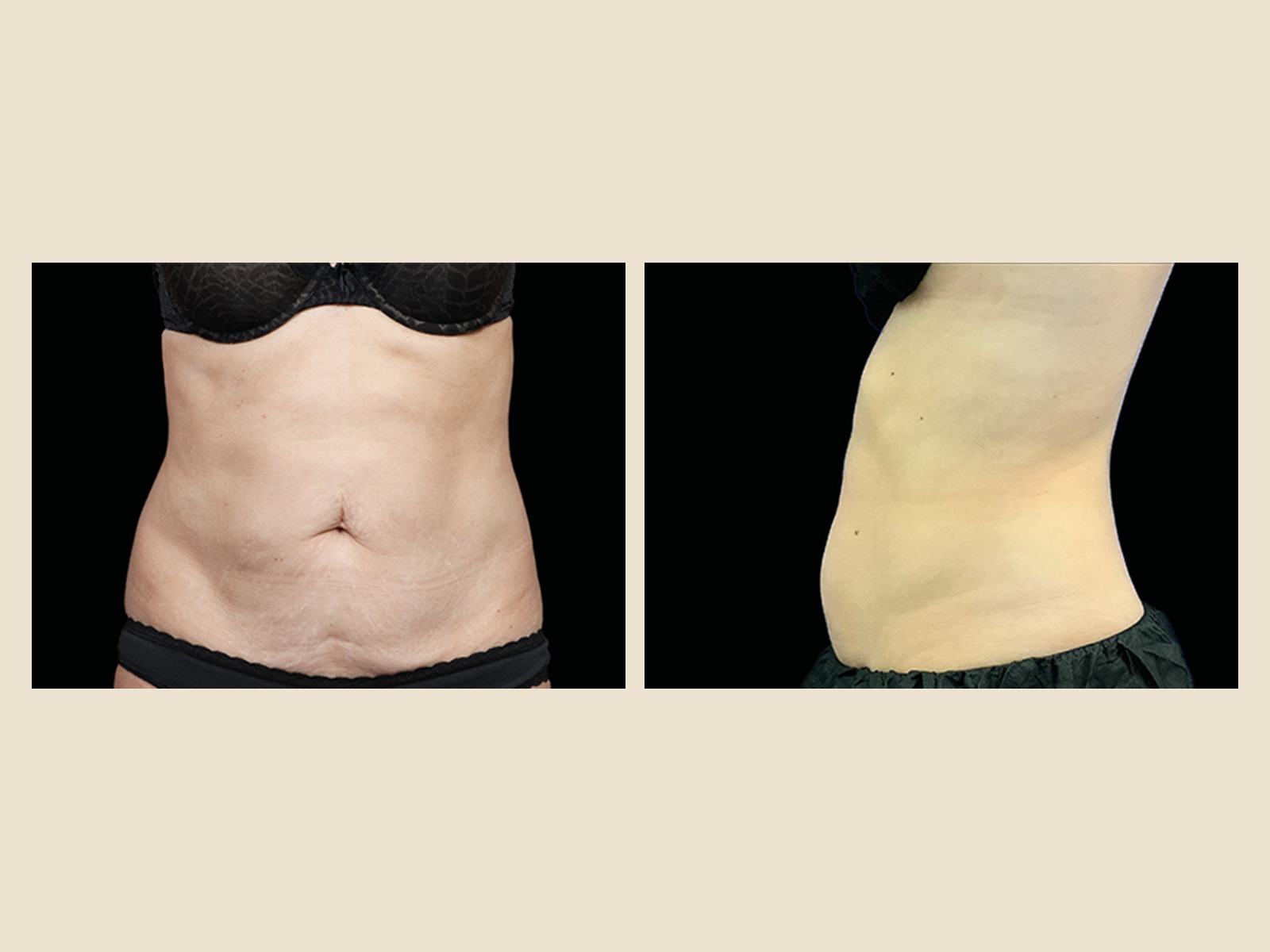
Morpheus8 is a fractional radiofrequency microneedling treatment that remodels the skin from the inside out. It stimulates collagen and elastin production to improve skin texture, tighten loose skin, reduce acne scars, and minimize pores. It's one of the most effective non-surgical skin tightening treatments available.
What is the difference between Morpheus8 and regular microneedling?
Standard microneedling (like SkinPen at Roots) creates controlled micro-injuries to stimulate collagen. Morpheus8 adds radiofrequency energy delivered deep into the dermis via the needles, making it significantly more powerful for skin laxity, deeper texture concerns, and subdermal fat remodeling.
What is HydraFacial and what does it do?
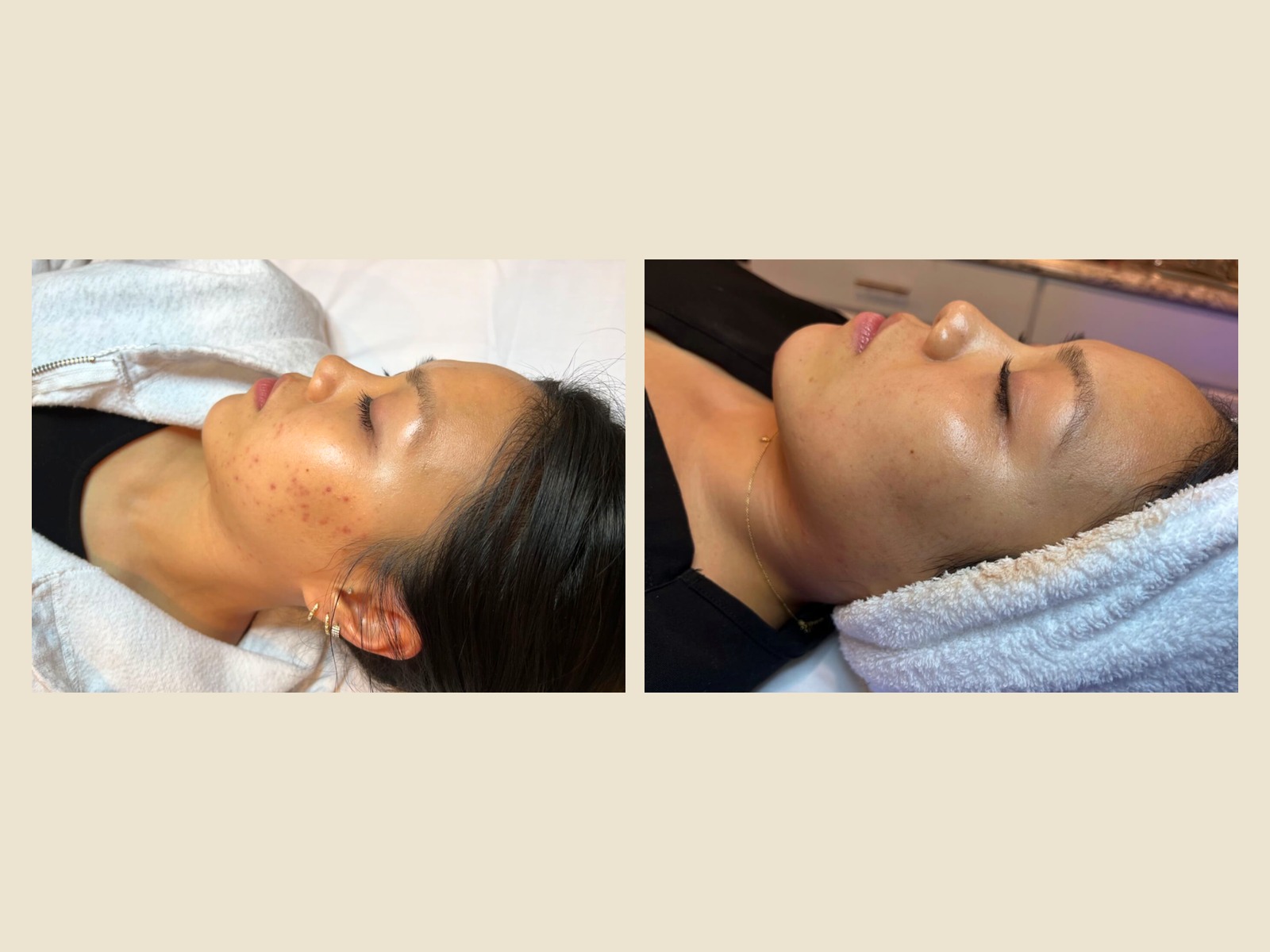
HydraFacial is a medical-grade facial treatment that uses a patented vortex-fusion process to cleanse, exfoliate, extract, and infuse skin with serums simultaneously. It's effective for brightening dull skin, clearing congestion, hydrating dry skin, and improving the appearance of fine lines. There's no downtime.
Does Roots offer lip filler in Tampa?
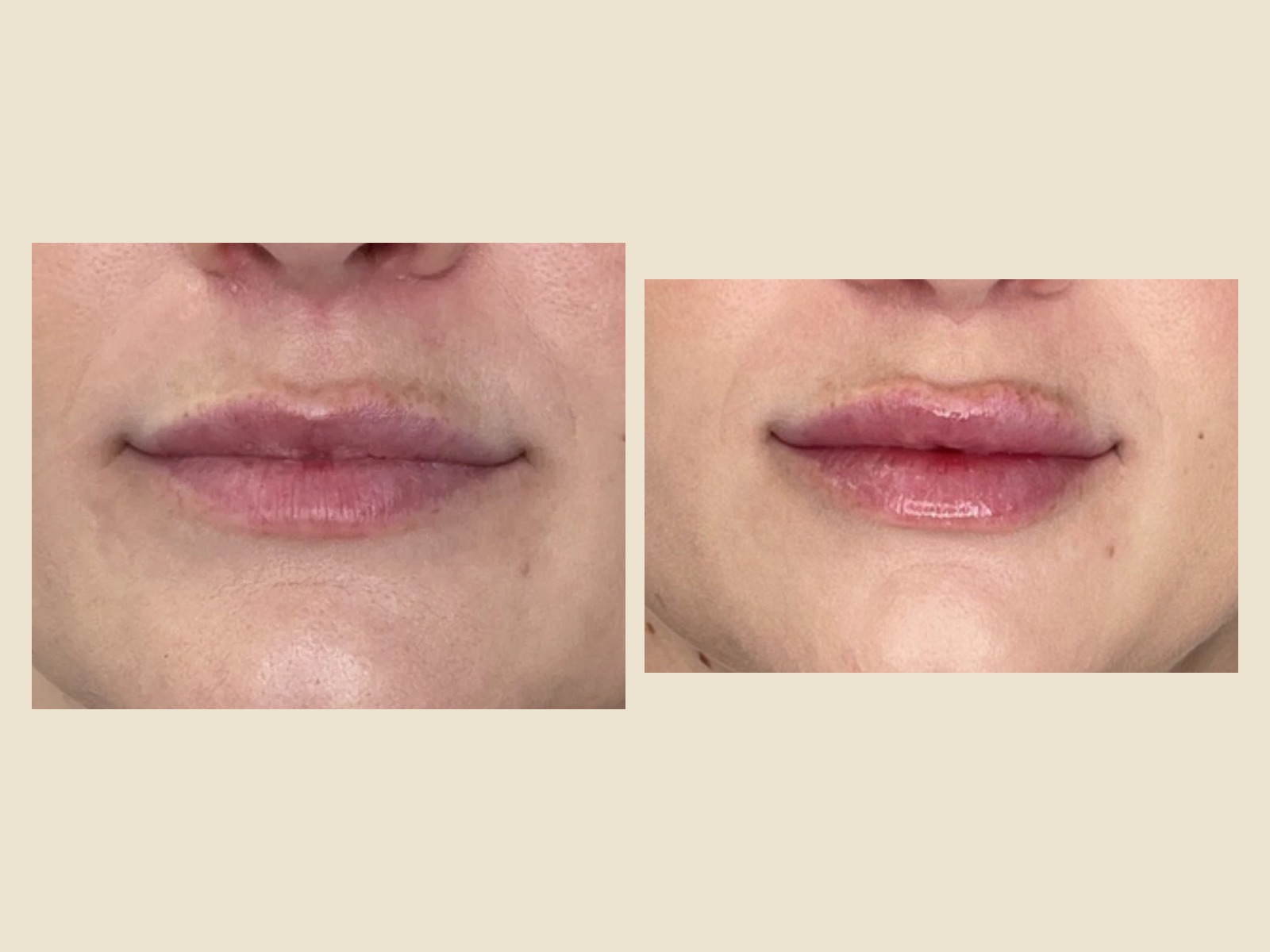
Yes. Roots offers hyaluronic acid lip filler for volume, definition, and symmetry, as part of our dermal filler services at our Channelside Tampa clinic. Results typically last 6–12 months depending on the product and individual metabolism.
What is Sculptra and how is it different from filler?
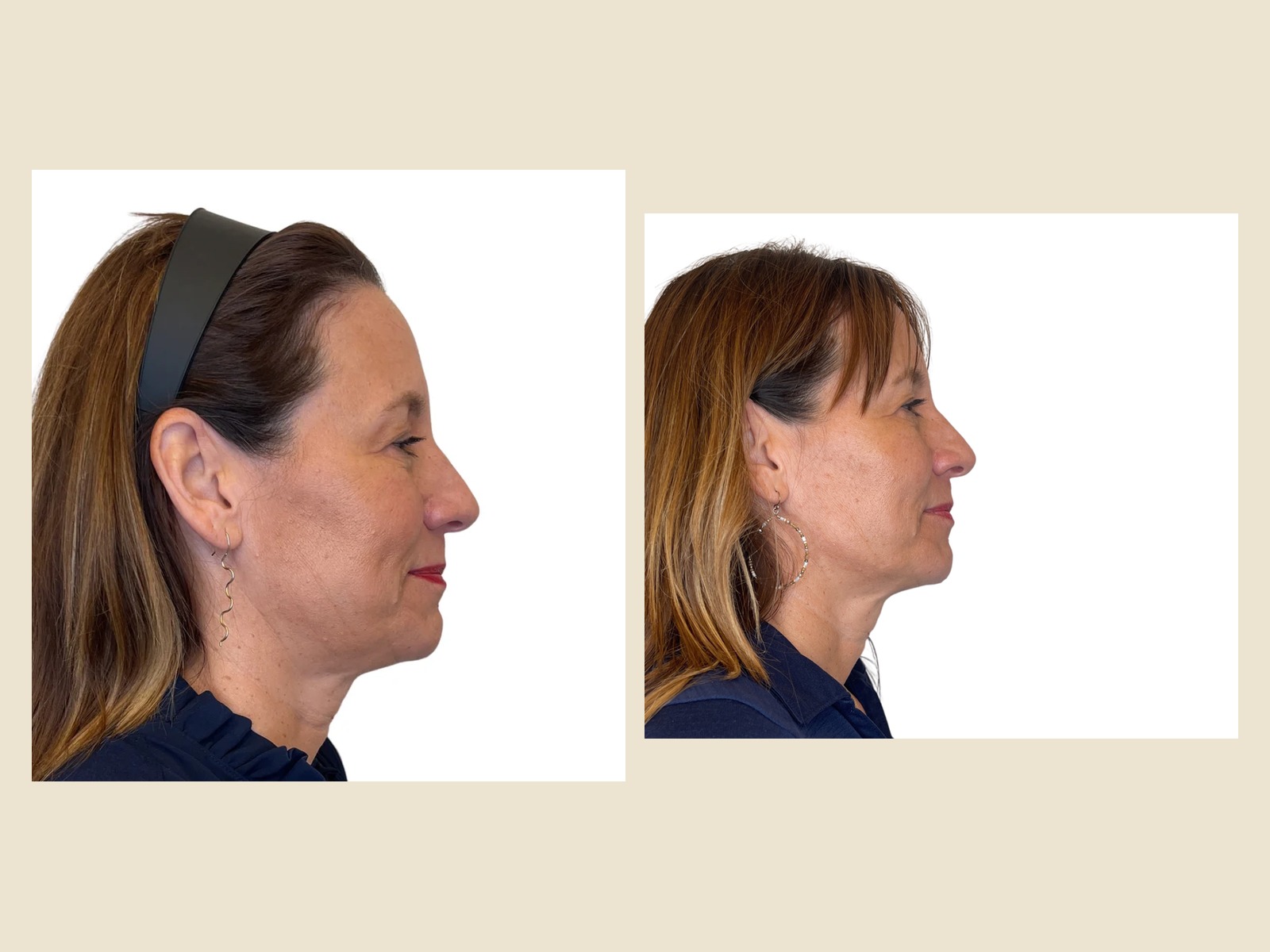
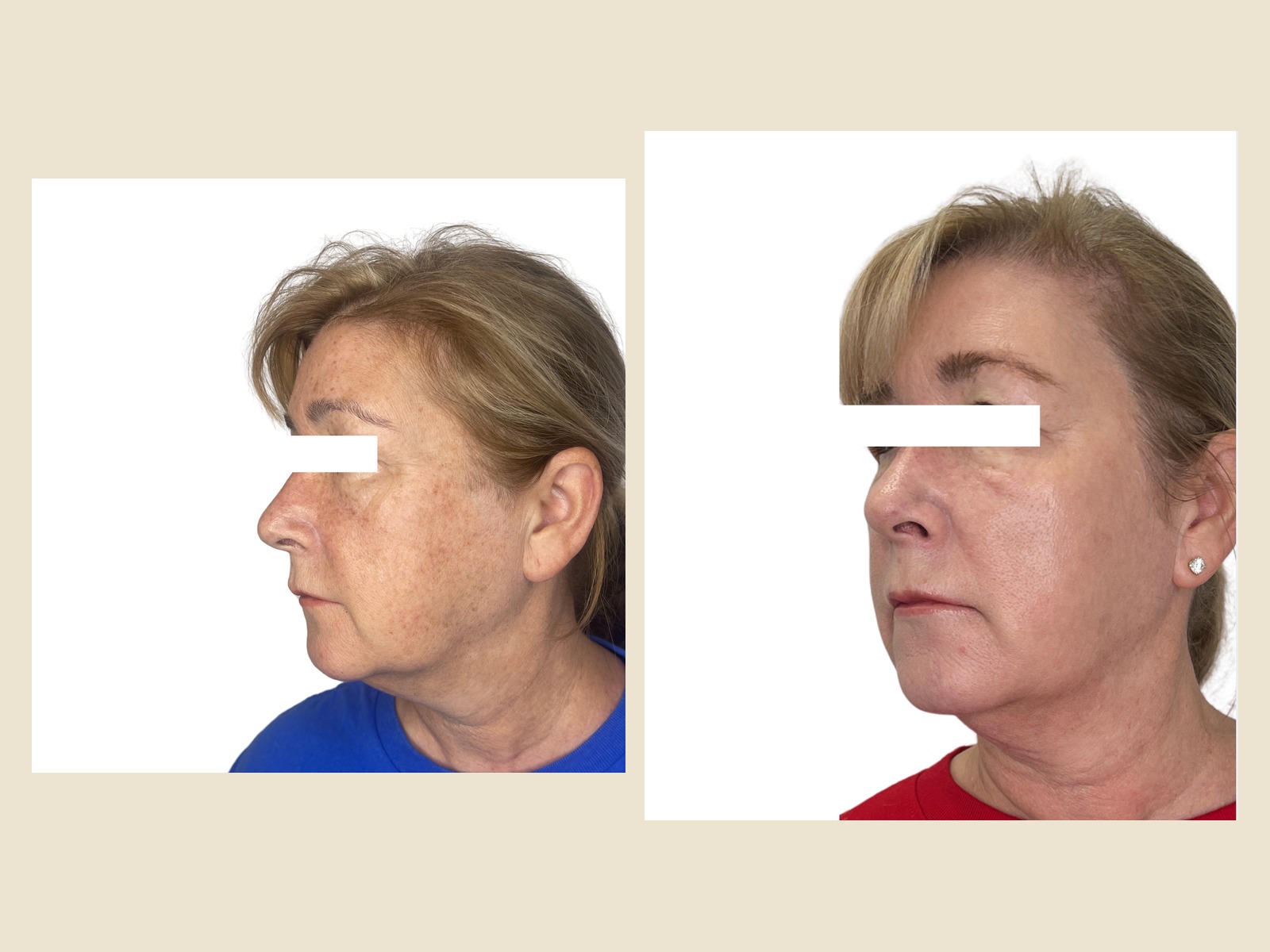
Sculptra is a poly-L-lactic acid collagen biostimulator, not a traditional filler. Rather than adding immediate volume, it stimulates your own collagen production over time, resulting in gradual, natural-looking improvement that can last 2+ years. It's ideal for volume loss in the cheeks, temples, and jawline.
Does Roots offer laser hair removal in Tampa?
Yes. We offer laser hair removal at our Channelside Tampa clinic. Multiple sessions are needed for best results, and a consultation will assess your skin and hair type to customize your treatment plan.
What is Lumecca IPL and what does it treat?
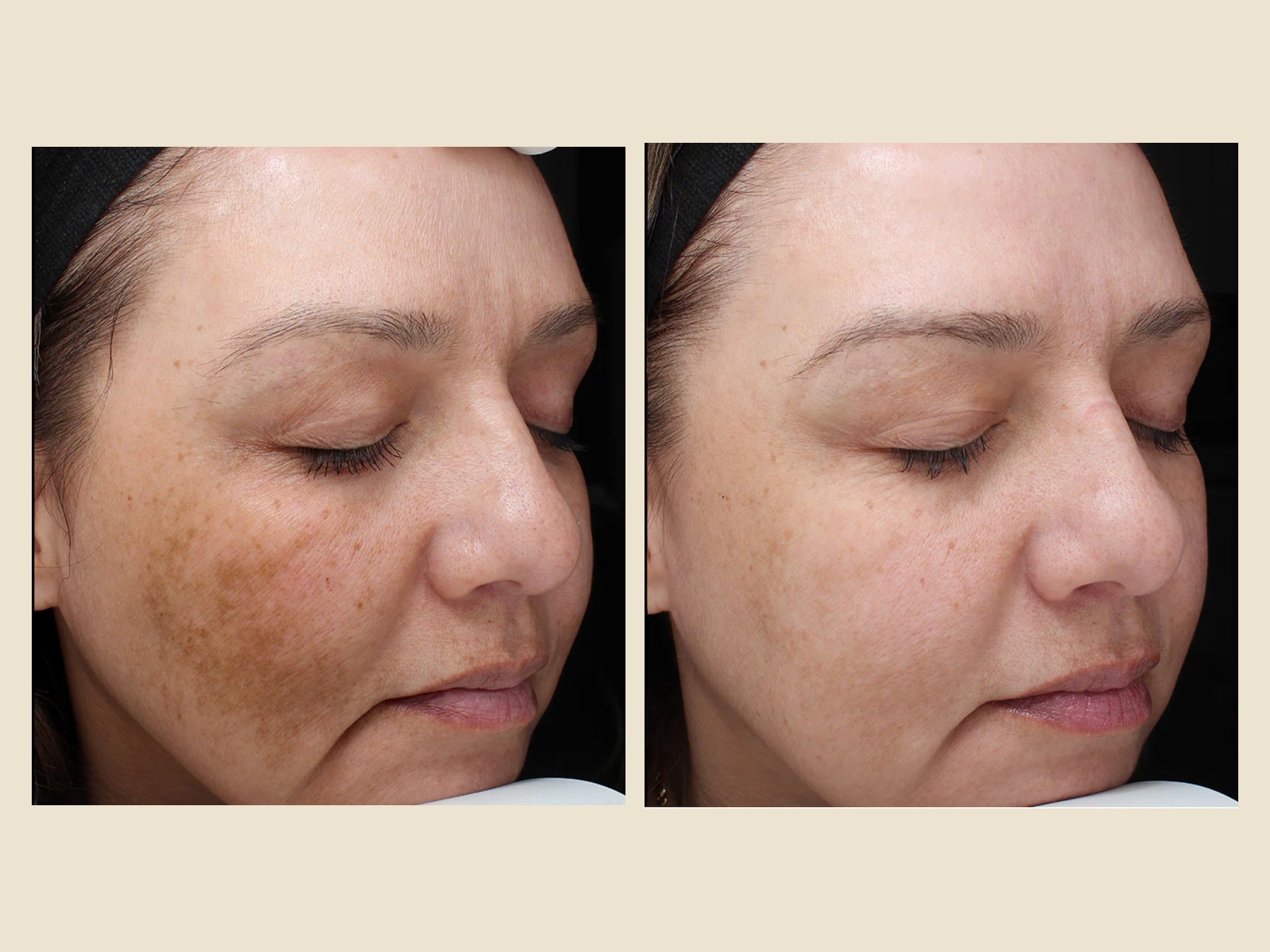
Lumecca is an intense pulsed light (IPL) photofacial treatment that targets pigmentation, sun damage, redness, rosacea, and vascular lesions. After 1–3 sessions, most patients see significant improvement in skin tone and clarity.
How do I know which aesthetic treatment is right for me?
All aesthetic treatments at Roots begin with a consultation with one of our clinical providers. We'll assess your skin, discuss your goals, and build a personalized plan—whether that's a single treatment or a combination protocol.
Does Roots offer PRP treatments in Tampa?
Yes. We offer PRP (platelet-rich plasma) therapy at our Tampa clinic for hair restoration, skin rejuvenation, PRP microneedling (the 'vampire facial'), and joint and regenerative medicine. All treatments are physician-supervised.
What is a PRP facial or vampire facial?
A vampire facial combines microneedling with PRP — your own concentrated growth factors are applied to the skin immediately after microneedling, driving them deep into the tissue. The result is accelerated collagen production, improved skin texture, and a natural glow. No synthetic fillers involved.
Can PRP help with hair loss in women?
Yes. PRP hair restoration is a well-established option for women experiencing diffuse thinning or early hair loss. Scalp injections stimulate dormant follicles and support regrowth. Most patients complete 3–4 sessions spaced 4–6 weeks apart, with most patients noticing improvement by the 3rd and 4th session.
How is PRP different from filler or Sculptra?
Fillers (like RHA or hyaluronic acid) and Sculptra add volume by introducing material into the skin. PRP stimulates your own cells to produce collagen and new tissue — it's purely regenerative. The two approaches complement each other; some patients use both.
Is PRP safe? Are there side effects?
Because PRP uses your own blood, allergic reactions are extremely rare. The most common side effects are temporary redness, swelling, or bruising at the injection site. These typically resolve within 24–72 hours. PRP is well-tolerated by most patients.